Author Archives: lelwd

Electric Rate Schedule / Rate 20

Non-Residential, Business, Small Commercial, Small Industrial

Download PDF of Electric Rate Schedule 20

Designation: MDPU 420

Superseding: MDPU 320
Applicable to:

In the Towns of Littleton and Boxborough, any nonresidential, business, small commercial or
industrial use with less than 40 KVA of demand in any billing period.

Character of Service:

120/240 volt, 3 wire, single phase
208/120 volt, 3 or 4 wire polyphase
60 Hz, a.c.

Rate Charges:

  1. Customer charge: $10.00 per month
  2. Distribution Energy charge: $0.0322 per kWh
  3. Distribution Adjustment Factor: As set forth in the currently filed schedule DAF Rate.
  4. Purchased Power Charge: For all kWh’s, a charge per kWh to recover the cost of purchased power and transmission in accordance with currently filed Purchased Power Charge (PPC).
  5. ECS charge: State regulations mandate that a fee be collected from all customers to cover the cost of the Energy Conservation Service. See Rate Schedule: Energy Conservation Service.
  6. Minimum charge: The Customer Charge plus the ECS charge.

Terms:

Payment shall be upon receipt of invoice. A periodic interest charge of 1.5%, annual interest rate 18%, will be added to any unpaid previous balance on the bill.

Conditions:

Individual shops and offices will be individually metered unless specifically waived by the Department.

Effective: September 1, 2018

Electric Rate Schedule / Rate 15

Farm Discount

Download PDF of Electric Rate Schedule 15

Designation: MDPU 115

Applicable to:

In the Towns of Littleton and Boxborough, customers who meet the eligibility requirements for being
engaged in the business of agricultural or farming as defined under M.G.L. Chapter 61a.

Rate Charges:

A discount of ten percent (10%) from the total monthly bill for electric service only.

Terms:

Payment shall be upon receipt of invoice.

Conditions:

Customers who meet the requirements must provide appropriate documentation of their eligibility
under this provision. Discount shall exclude separately metered residential dwelling(s).

Effective: May 1, 1998

Electric Rate Schedule / Rate 10

Residential General Service

Download PDF of Electric Rate Schedule 10

Designation: MDPU 410

Superseding: MDPU 310

Applicable to:
In the Towns of Littleton and Boxborough, any dwelling unit for all residential purposes; churches and associated buildings for religious or educational purposes.

Character of Service:

120/240 volt, 3 wire, single phase
208/120 volt, 3 or 4 wire polyphase
60 Hz, a.c.

Rate Charges:

    1. Customer charge: (*)$ 5.00 per month
    2. Distribution Energy charge:$ 0.0265 per kWh
    3. Distribution Adjustment Factor: As set forth in the currently filed Schedule DAF.
    4. Purchased Power Charge: For all kWh’s, a charge per kWh to recover the cost of purchased power and transmission in accordance with currently filed Purchased Power Charge (PPC).
    5. Renewable Energy Credit: A credit is given to residential electric customers each month based on discounted purchased power from Niagara Falls Hydro and various renewable power purchases. See Rate Schedule: Rate REC.
    6. ECS charge: State regulations mandate that a fee be collected from all customers to cover the cost of the Energy Conservation Service. See Rate Schedule: ECS Rate.
    7. Minimum charge: The Customer Charge plus the ECS charge.

(*) – Customer Charge waived for Senior Citizens (see LELD policy)

Terms:

Payment shall be upon receipt of bill.

Conditions:

All dwelling units will be individually metered. Common use will be metered and billed separately to
building owner.

Effective: September 1, 2018

Latest News & Articles

Latest News & Articles

Outdoor Watering Restrictions

MassDEP is requiring LWD customers to observe water restrictions. All nonessential outdoor watering is prohibited, including watering lawns with sprinklers and washing vehicles, buildings, parking lots, sidewalks, and more..

Rain Barrel Program

Rain Barrels are available for purchase at the discounted price of $89. LWD Customers are offered an additional $20 savings with the coupon..

LELWD Survey

Our customer survey will be open from April 27th through May 22nd.

Sewer Ribbon Cutting

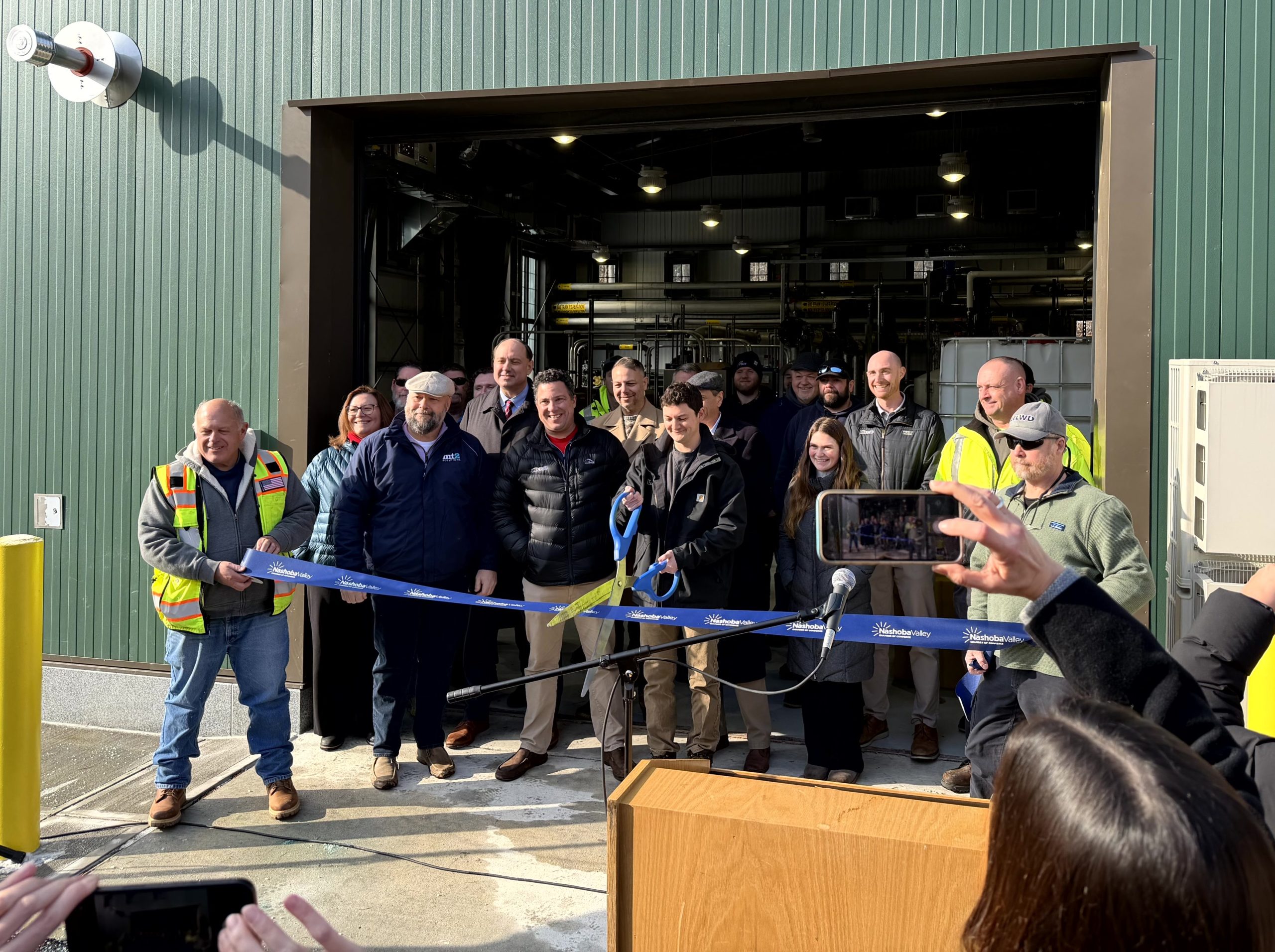
The new Littleton Common Sewer System is fully operational after nearly two years of construction to install sewer mains and construct a water resource recovery facility. The system has already sparked economic development in the town center and will improve groundwater quality by reducing reliance on septic systems.

LELWD Awarded $285K State Grant

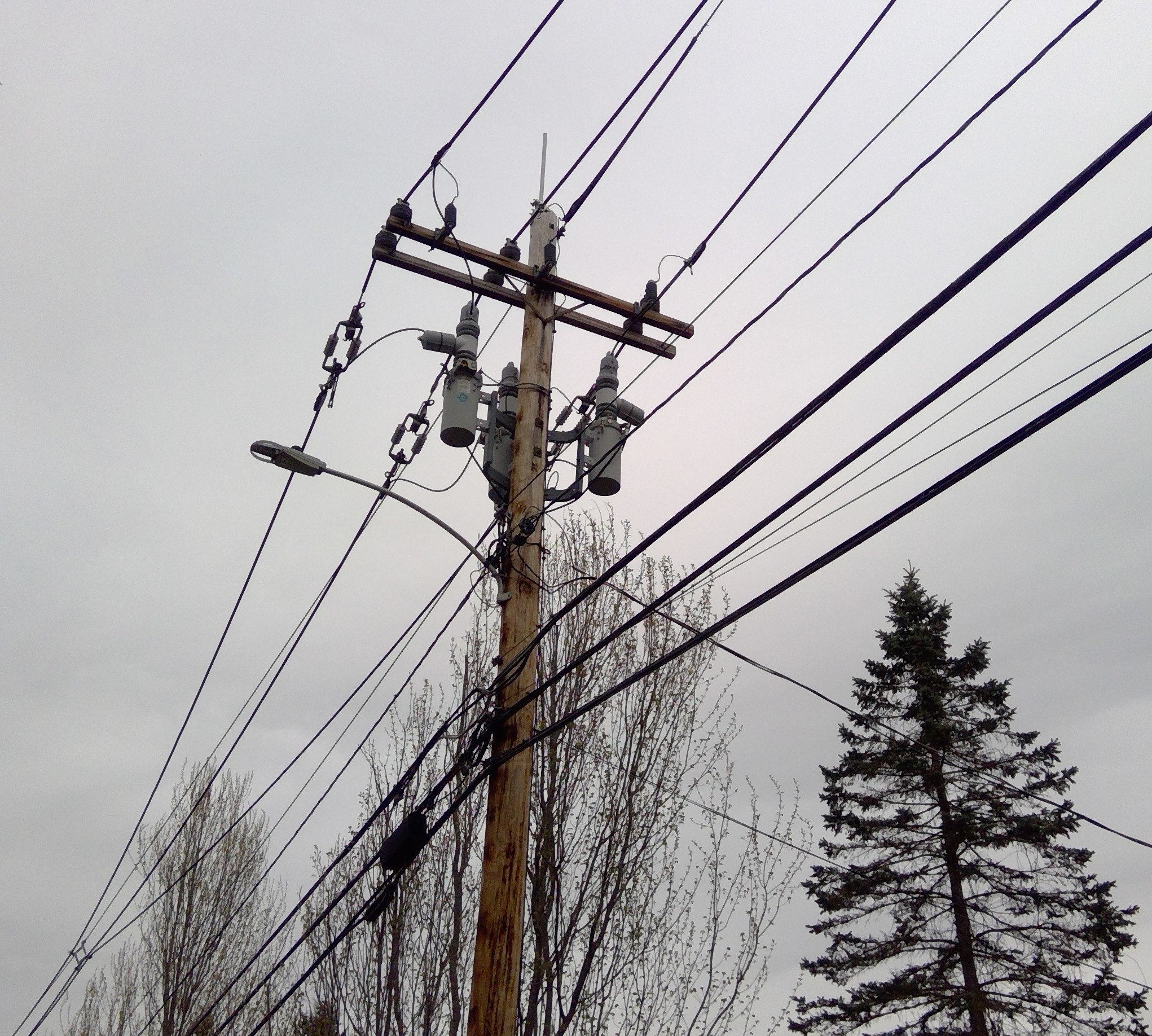
LELWD has won a state grant to reduce the impact of power outages by upgrading equipment in the distribution system.

LELWD on ’60 Minutes’

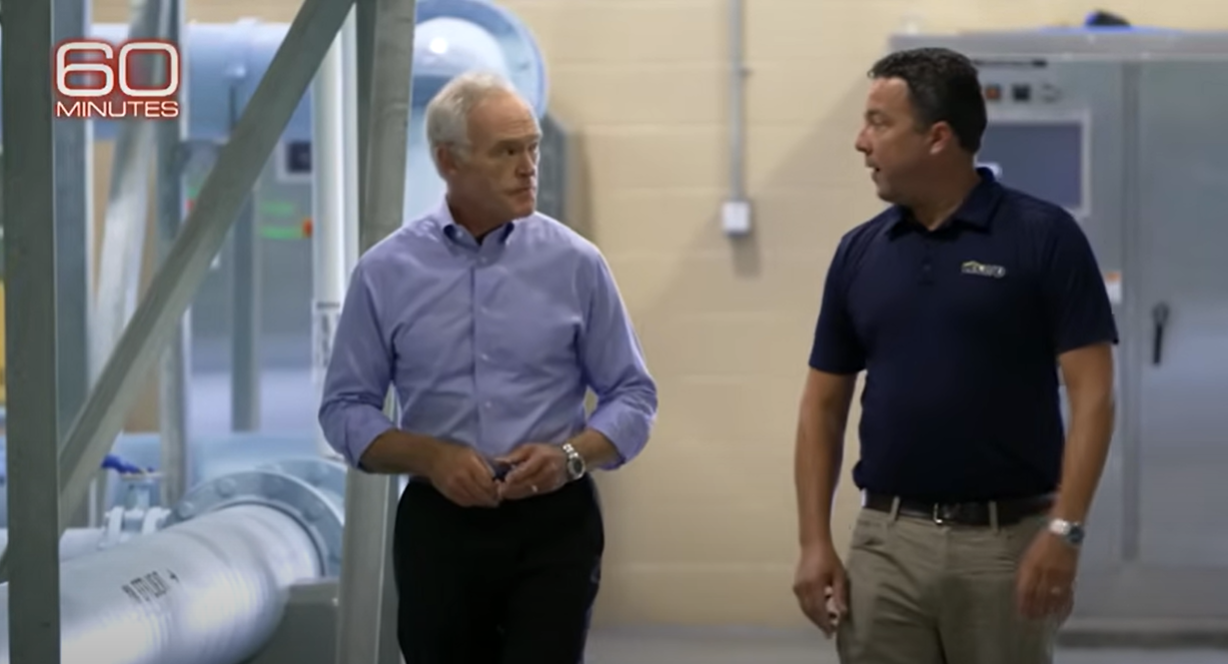
LELWD participated in a “60 Minutes” report to educate the utility industry on the threat of foreign hackers.

Source Water Protection

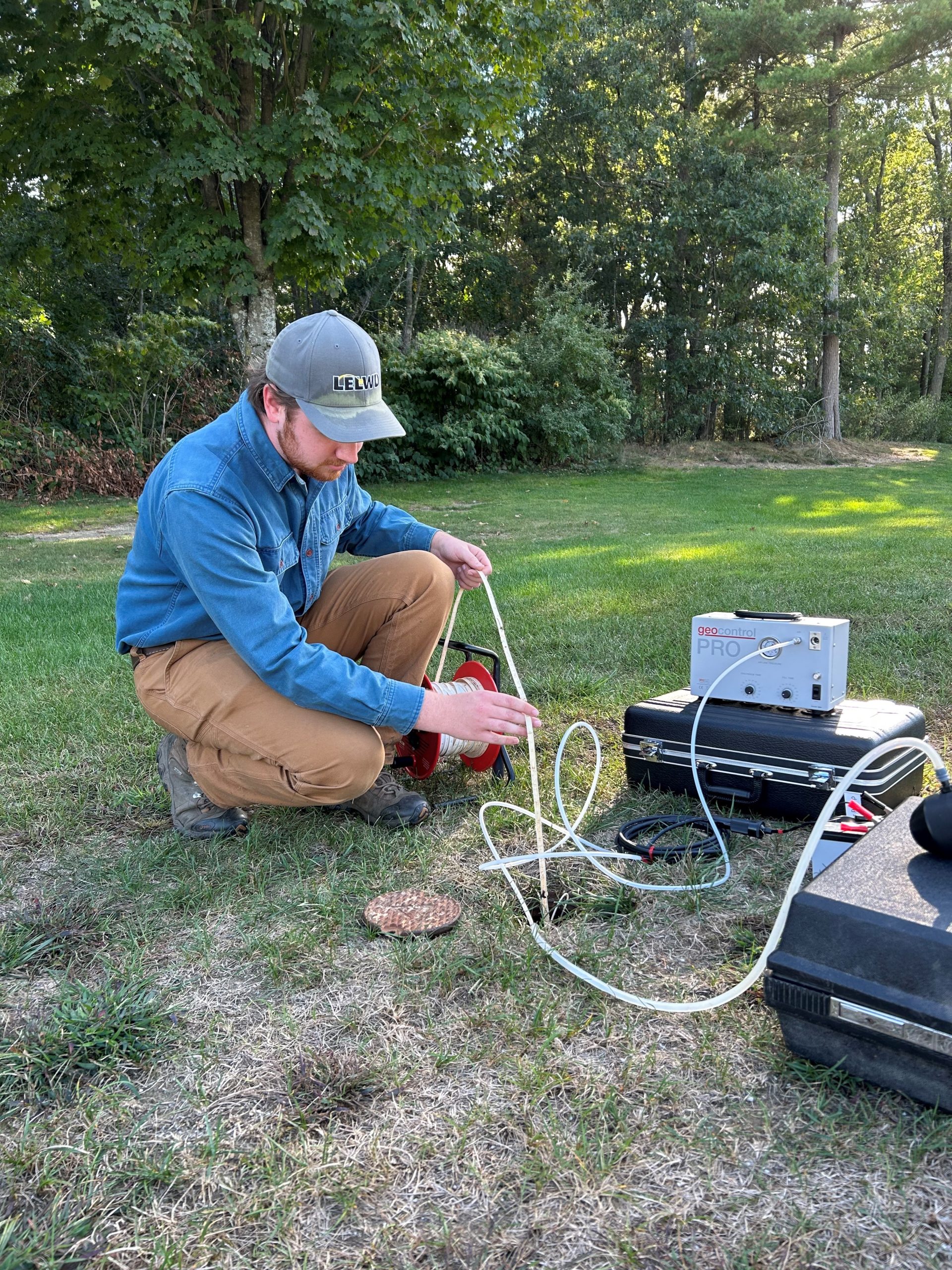
The Littleton Water Department is committed to delivering clean, reliable water. The LWD and the Town of Littleton integrate land-use planning, groundwater monitoring and environmental audits in a comprehensive aquifer and watershed protection program.

Board of Commissioners

Board of Commissioners

Board of Commissioner’s meetings are held at the Littleton Electric Light and Water Department at 6:00 p.m. on the scheduled date.

Each department is governed by a five-member board of commissioners.  Commissioners are elected by Littleton voters to a three-year term.  Commissioners select and support department management as well as establish policies and procedures to assure long-term consistent service to the rate-paying public.  Commissioner’s meetings are held monthly and are open to the public.

Current Commissioners:

Ivan Pagacik, Chairman – Term Expires 2028

Joe Knox, Vice Chairman – Term Expires 2027

Melissa Hebert, Secretary – Term Expires 2028

Dick Taylor, Member – Term Expires 2027

Scott Larsen, Member – Term Expires 2026

Littleton Precipitation Totals

Littleton Precipitation Totals

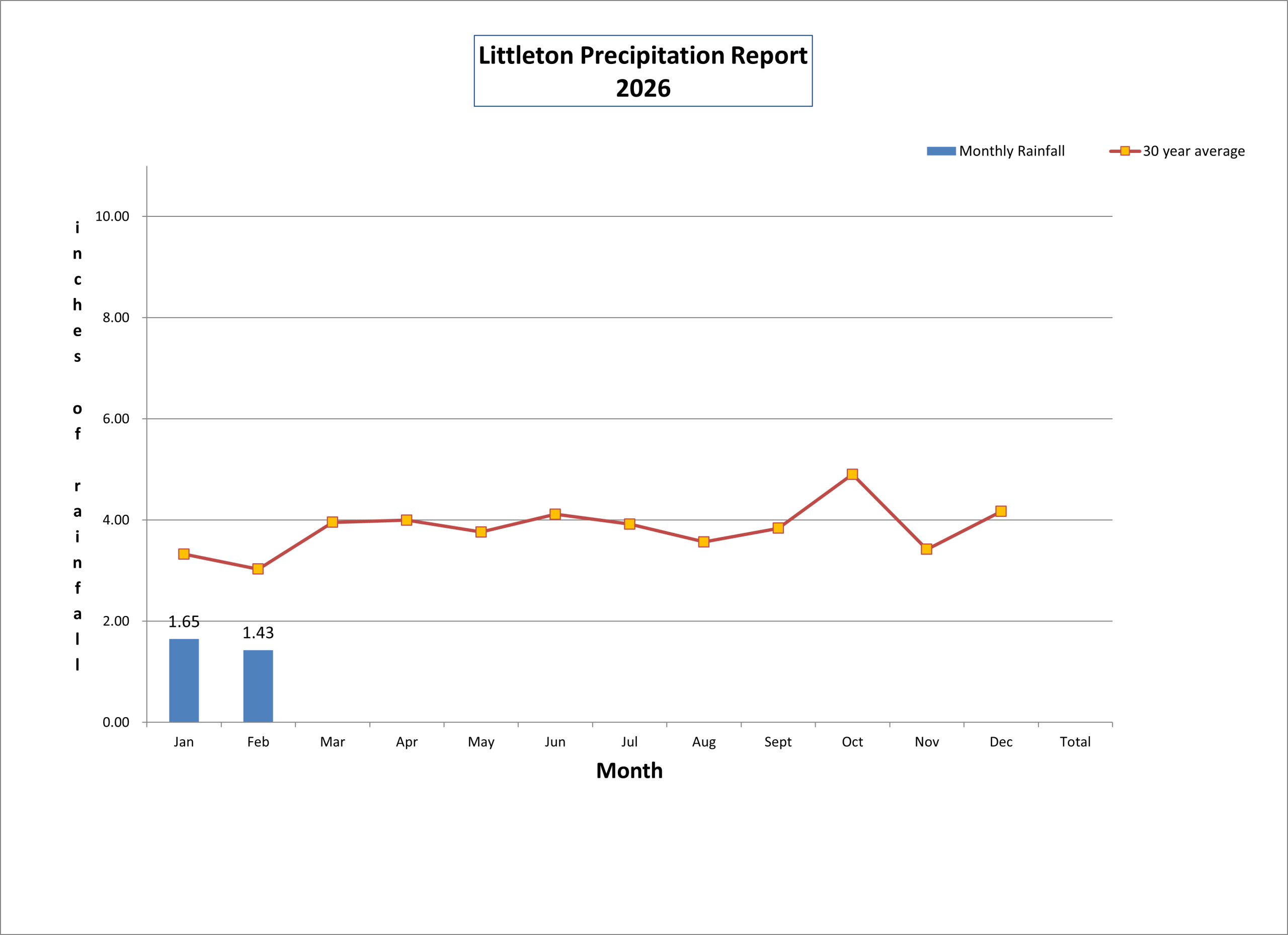
The Littleton Water Department (LWD) is an active participant in the Massachusetts Department of Conservation and Recreation, Office of Water Resources’ Rainfall Program. As one of 150 monitoring stations across the state, LWD collects precipitation data on a daily basis that is then used in the state’s drought monitoring program. Additional information on this state program can be found at www.mass.gov.

Solar Distribution Charge Explanation

In 2011, the Littleton Electric Light Department (LELD) began to allow its customers to interconnect distributed generation to LELD’s distribution system as long as the interconnecting customers followed the requirements and process laid out in LELD’s Interconnection Standards. Since then, the use of distributed generation is growing fast, not just here in Littleton but across the entire United States. As of October 2014, there was just less than 8,000 MW of installed solar capacity across the United States on residential and commercial rooftops. This growth has been stimulated by environmental concerns, economic stimulus, and utility rate structure that have provided a benefit to solar customers. Most utilities in the U.S., including LELD, use net metering to measure and compensate customers for the generation that they produce.

The Electric Power Research Institute (EPRI) conducted a national study that concluded that a typical residential customer uses 982 kWh of electricity per month. This typical bill can be broken into three distinct cost groups: $70 allocated to generation, $30 allocated to distribution, and $10 allocated to transmission. Transmission and distribution charges are fixed costs that do not vary on hourly customer loads, and roughly 80% of the generation costs are variable meaning that only $56 or 51% of a typical customer’s bill is variable. This is a significant dilemma, specifically with regards to grid-tied customer owned distributed generation, since LELD only charges a $5.00 base charge and collects the remainder of its fixed costs through a customer’s consumption.

Prior to May 2015, LELD’s net metering rate (rate 70) returned the full retail rate to solar customers for excess generation and did not recoup any of the fixed costs through a distribution charge. In May of 2015, the Board of Commissioners approved a new net metering rate (rate 70) that was a better balance between simplicity and accuracy, aligned costs and prices, supported environmental stewardship, and ensured that rates were well suited and equitable for all customers. This was accomplished by splitting apart the rate structure into a Purchased Power Charge (Cost of Energy) and a Distribution Charge (Fixed Costs).The net metering rate was amended to only return the Purchase Power Charge for excess generation and a solar distribution charge was introduced to recover some of the fixed costs.

The actual electricity generated by a solar PV system is a function of its size (nameplate rating), efficiency, sun exposure, and a variety of other factors. According to the Massachusetts Clean Energy Center, 1 kW of an optimal solar PV system will generally produce 1,320 kWh per year. This production spread over a 12 month period equates to 110 kWh per month per kW of an installed solar PV system. In the LELD net metering rate (rate 70), a solar distribution charge was established to recover some of the fixed costs that are not being recovered through customer consumption. For a residential customer the solar distribution charge is the product of 110 kWh, per 1 kW of installed distributed generation and LELD’s Distribution Energy Charge ($0.0265). According to the Massachusetts Clean Energy Center, residential solar PV systems are generally sized around 5 kW, which would equate to a $14.58 solar distribution charge to a LELD customer. Even with the solar distribution charge and customer base charge, LELD is only recovering approximately 37% of the fixed costs through fixed charges.